The Invisible Mask
- Client: Mozilla Foundation, for MozFest 2019
- Delivered at: Comuzi, where I was Managing Director
The client
Mozilla Foundation commissioned the work for the Arts and Culture Experience at MozFest 2019, its annual festival for people working on a healthier internet. The curator was Irini Papadimitriou of FutureEverything.
The brief
Create a speculative piece on better machine decision making. We chose facial recognition, which is sold as a convenience for unlocking phones and paying, but is also used to police marginalised communities.
How we did it
The idea came from an academic paper on using infrared light to avoid being picked up by facial recognition. We built a working version of the cap in time to show it at MozFest as a work in progress.
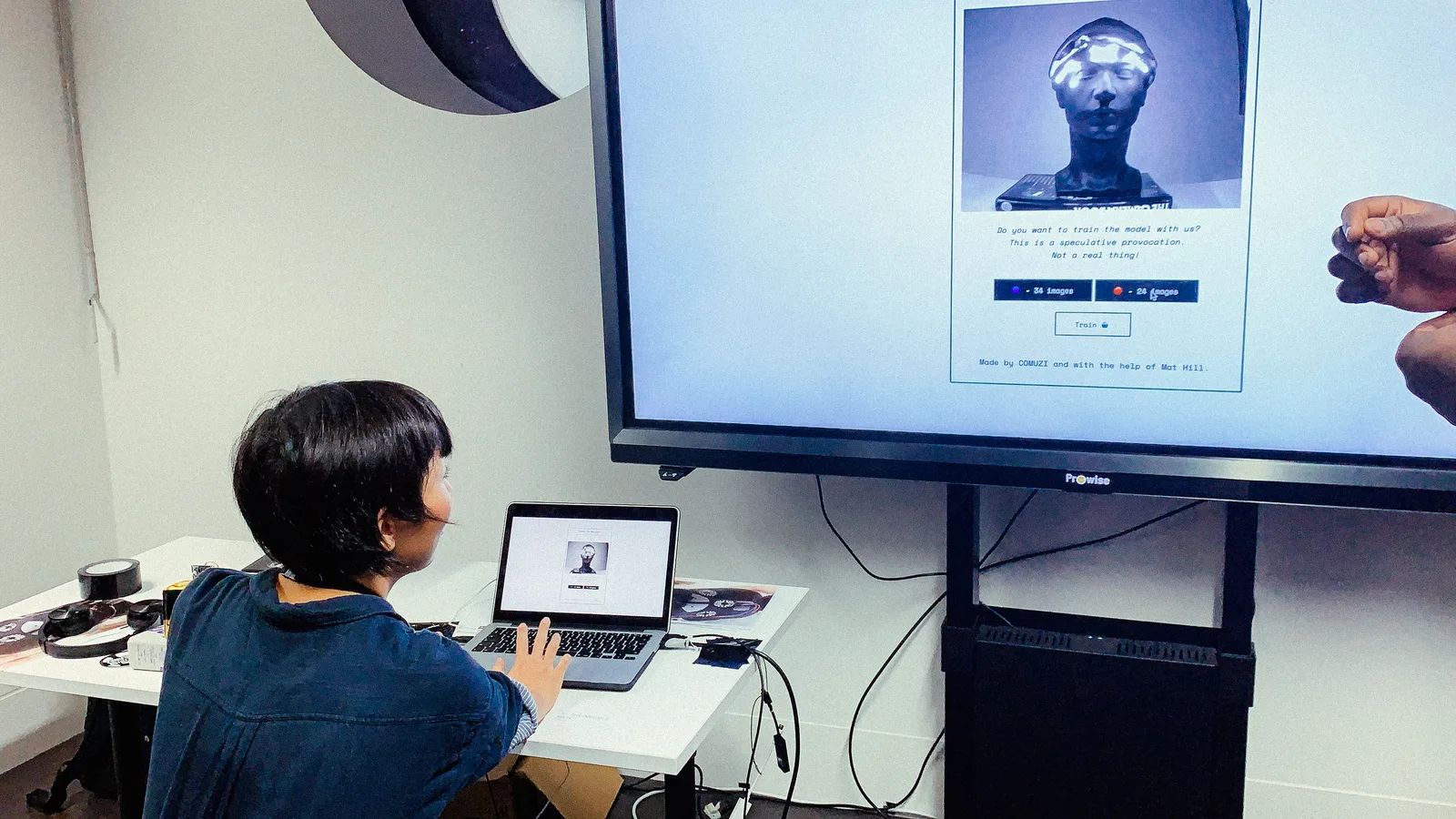
We did not want people to leave more anxious about algorithms, so the exhibit also showed them how these systems are trained.
What we made
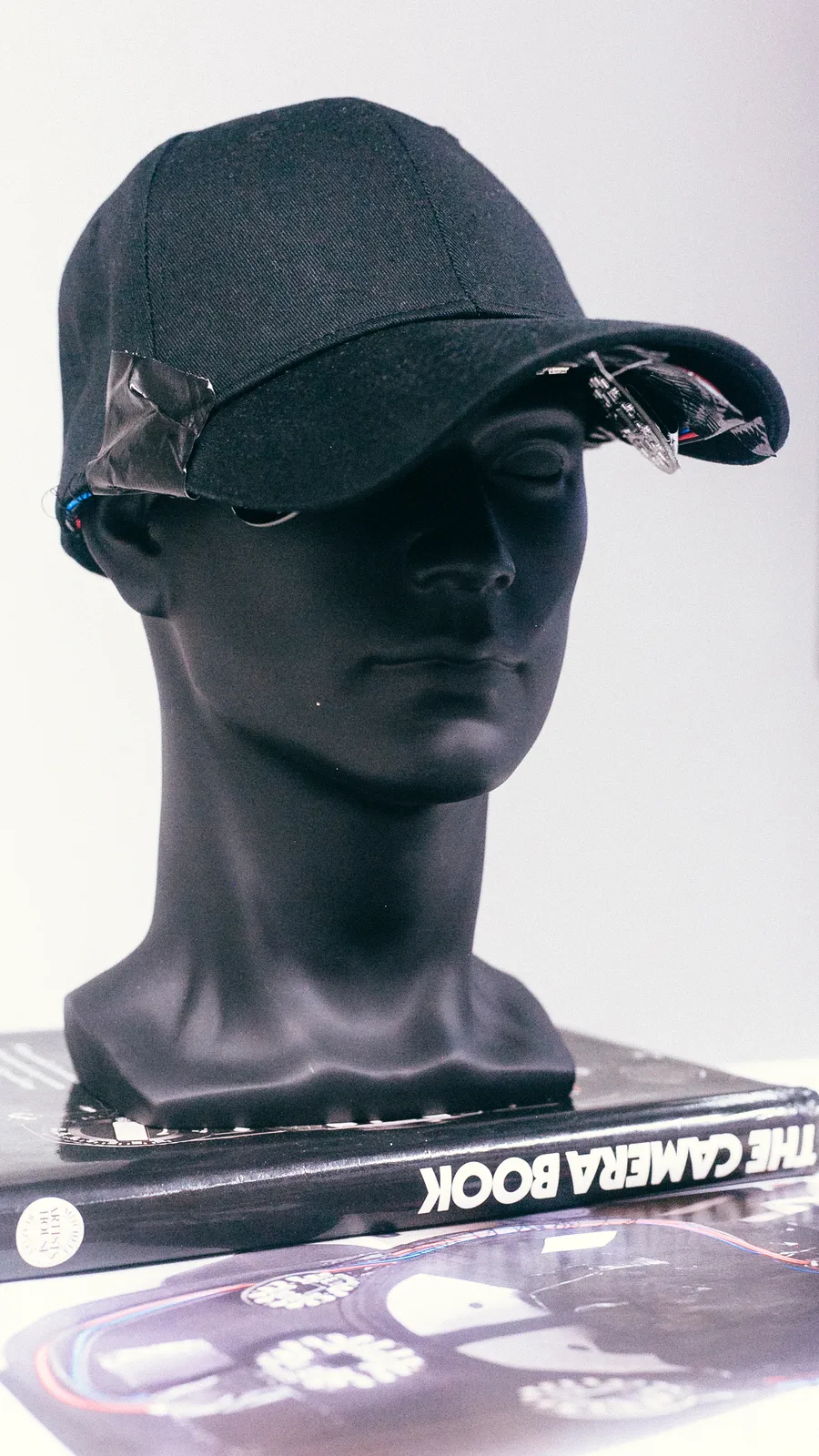
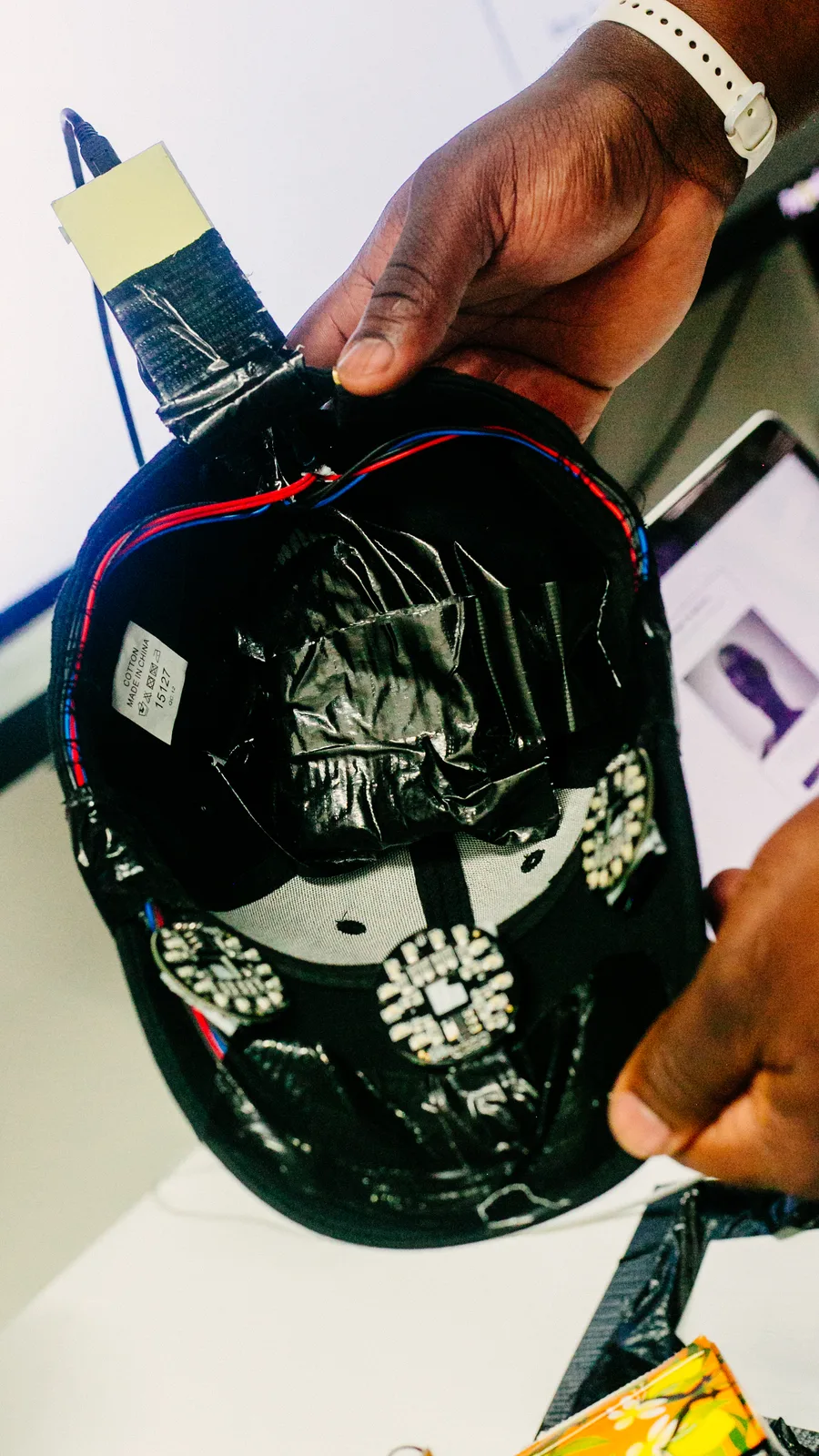
- The Invisible Mask, a cap with tiny infrared lights wired inside that shine dots onto the wearer’s face. The dots are invisible to people but are meant to confuse facial recognition systems
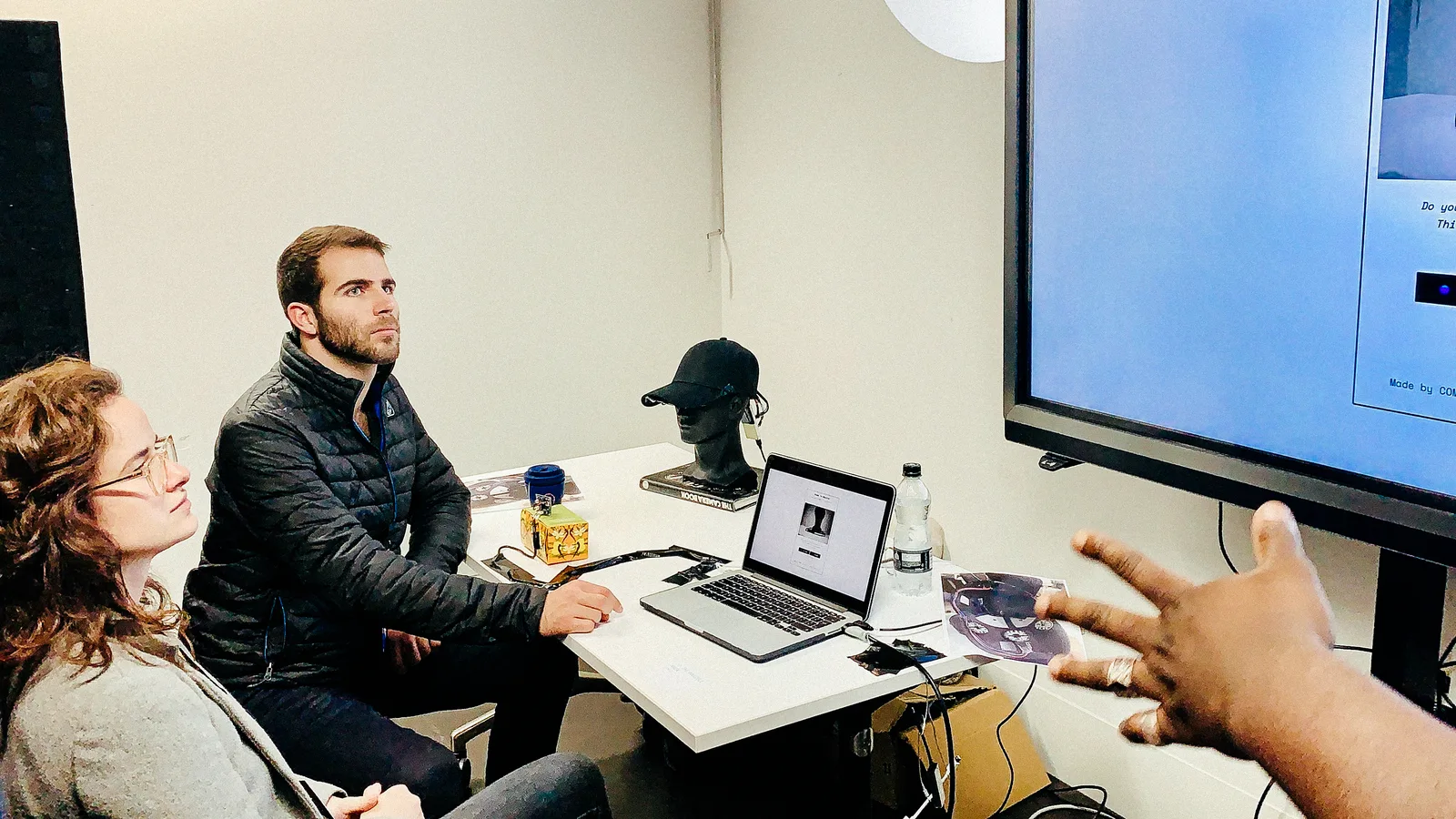
- An exhibit at MozFest 2019 where people could see the mask in action
- A hands-on activity where people trained a facial recognition model on a mannequin
My role
I managed the project from planning through to delivery at MozFest. I coordinated the work, supported the team through production, and made sure the project was ready to show to the public.
Need something like this?
Send me a few lines about what you are working on and when. If it looks like a good fit, we can set up a call.
Email me